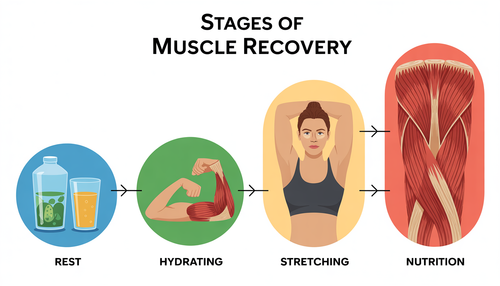
Experiencing muscle soreness is part of staying active, whether you're a seasoned athlete or just starting your fitness journey. At INHALE, we understand that fast recovery from muscle soreness is vital for keeping up with your routine and achieving your health goals.
This guide explores practical strategies to ease muscle soreness, helping you enjoy your workouts with less discomfort. From simple stretches to nutritional advice, we'll cover ways to recover quickly and effectively.
Understanding Muscle Soreness
Muscle soreness indicates your muscles are adapting to new or increased physical demands. It can be immediate, occurring during or right after exercise, or delayed, appearing a day or two later. This delayed soreness is known as Delayed Onset Muscle Soreness (DOMS).
- Immediate Soreness: Happens during or immediately after exercise, often due to lactic acid buildup.
- Delayed Onset Muscle Soreness (DOMS): Occurs 24 to 48 hours post-exercise, caused by tiny tears in muscle fibers as they repair and strengthen.
Recognizing these types helps you choose the right recovery methods, ensuring minimal downtime.
Relieving Muscle Soreness
Sore muscles don't have to interrupt your fitness journey. Here are some effective methods to alleviate soreness:
- Gentle Stretching: Light stretching post-exercise can ease muscle tension and improve flexibility. Target the muscles you worked out to aid recovery.
- Foam Rolling: A foam roller helps loosen tight muscles and improve blood flow. Roll slowly over the muscle, pausing on tender spots for relief.
- Massage: Massages relax muscles and enhance circulation, supporting recovery and reducing soreness.
Consistency is key. Regularly incorporating these practices helps maintain muscle health and prevent prolonged soreness.
The Role of Hydration and Nutrition
Proper hydration and nutrition are crucial for muscle recovery and reducing soreness:
- Hydration: Staying well-hydrated flushes out waste products from muscles and supports nutrient transport. Research shows that adequate hydration can maximize performance and recovery.
- Balanced Diet: A diet rich in proteins and essential nutrients is vital for muscle repair. Proteins provide the building blocks for muscle regeneration, while nutrients support overall recovery. For more insights, refer to this article on nutrition and muscle recovery.
Focusing on hydration and a balanced diet enhances your recovery process, reducing muscle soreness impact.
Supporting Muscle Recovery
After a workout, your muscles need time to recover. Here are effective techniques to support this process:
- Rest: Allowing muscles time to rest is essential. It lets your body repair and strengthens itself, reducing overuse injury risk.
- Active Recovery: Gentle activities like walking or light cycling improve blood circulation, delivering nutrients to sore muscles and promoting recovery.
- Heat Therapy: Applying heat increases blood flow to muscles, reducing stiffness and promoting relaxation.
- Cold Therapy: Ice packs reduce inflammation and numb the affected area, especially beneficial post-intense exercise.
Incorporating these techniques into your routine supports muscle recovery, helping you stay active and healthy.
The Importance of Sleep
Quality sleep is crucial for muscle recovery:
- Muscle Repair: During sleep, growth hormones essential for muscle repair and growth are produced.
- Reduced Inflammation: Adequate sleep decreases inflammation, alleviating soreness from workouts.
- Energy Restoration: Sleep restores energy stores, preparing you for your next workout.
For more on sleep's benefits in exercise recovery, visit ACE's article. Prioritizing sleep significantly enhances recovery from muscle soreness, ensuring you wake up refreshed and ready.
Reducing Soreness After Workouts
Reducing muscle soreness is key to maintaining a consistent exercise routine. Here are effective strategies:
- Gradual Progression: Slowly increase workout intensity to help muscles adapt, reducing soreness risk.
- Proper Warm-Up: Start each session with a comprehensive warm-up to prepare muscles, potentially decreasing soreness.
- Cool-Down Routine: Spend a few minutes cooling down post-exercise. Gentle stretching and light movements reduce muscle tightness.
- Stay Hydrated: Drink enough water before, during, and after workouts to support muscle function and recovery.
These practices not only help relieve muscle soreness but also contribute to overall fitness and wellness.
Lifestyle Habits for Faster Recovery
Incorporating certain lifestyle habits can significantly support faster recovery from muscle soreness:
- Manage Stress: High stress can slow recovery. Engage in activities like meditation or deep breathing to keep stress in check.
- Regular Hydration: Consistent hydration is crucial. Consider INHALE® Superoxygenated Water for enhanced hydration benefits.
- Balanced Diet: Ensure your diet includes a variety of nutrients, especially proteins, to support muscle repair.
- Active Recovery: Incorporate light activities like walking or yoga on rest days to promote circulation and recovery.
By adopting these habits, you can effectively support your body's recovery process and enjoy an active lifestyle with reduced discomfort. For more on recovery drinks, check out top workout recovery drinks and best muscle recovery drink for post-workout soreness relief.