Endurance training is a cornerstone of fitness, focusing on maintaining physical activity over time. It's popular not just for physical benefits but also for its positive effects on mental health. Engaging in endurance workouts supports cardiovascular health, enhances stamina, and boosts overall well-being.
Key benefits of endurance training include:
- Cardiovascular Health: Regular endurance workouts strengthen the heart and improve circulation.
- Mental Well-being: These workouts can reduce stress and enhance mental resilience.
- Increased Stamina: Over time, endurance training builds the body's capacity to perform activities for longer periods.
In this article, we'll explore effective exercises, the role of nutrition, mental health benefits, and practical tips to increase your endurance.
Understanding Endurance Training Workouts
The goal of endurance training workouts is to build stamina and improve overall fitness. These workouts involve repetitive activities that raise the heart rate, supporting heart health. For more on exercise and heart health, consider reading Exercise and Cardiovascular Health.
Endurance workouts typically include activities like running, cycling, and swimming. These exercises are effective because they:
- Improve Heart Efficiency: They enhance the heart's ability to pump blood and increase oxygen delivery to muscles.
- Enhance Muscular Endurance: Regular practice helps muscles perform better over longer durations.
- Support Weight Management: They are excellent for burning calories and maintaining a healthy weight.
Incorporating these exercises into your routine can significantly improve your stamina and overall health.
Essential Endurance Workout Exercises
Building endurance is key for improving fitness. Here are some exercises that are particularly effective:
- Running: A classic endurance workout that improves cardiovascular health and boosts stamina. Whether long-distance or interval training, it's versatile for increasing endurance.
- Cycling: This low-impact exercise builds leg strength and endurance. It can be done outdoors or on a stationary bike, making it adaptable.
- Swimming: Known for its full-body benefits, swimming enhances cardiovascular endurance while being gentle on the joints.
Nutrition for Endurance Training
Nutrition plays a critical role in supporting endurance workouts. Key nutrients include:
- Carbohydrates: Provide energy during workouts. Include whole grains, fruits, and vegetables in your diet.
- Proteins: Important for muscle repair and recovery. Include lean meats, legumes, and dairy products.
- Fats: Healthy fats from nuts and avocados support sustained energy levels.
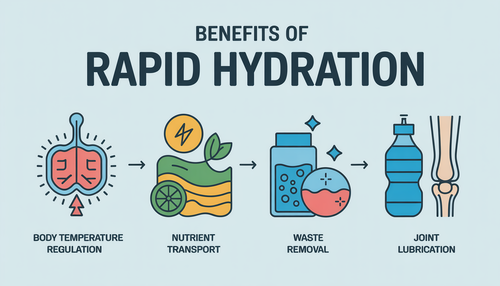
- Hydration: Staying hydrated is crucial. Consider INHALE® Superoxygenated Water for enhanced hydration support.
For more on nutrition strategies, visit the Nutrition for Endurance Athletes 101 article.
Mental Benefits of Endurance Training
Endurance training offers many mental benefits, including:
- Stress Reduction: Physical activity releases endorphins, which are natural mood lifters.
- Improved Mental Resilience: Consistent training can increase mental toughness, aiding in coping with challenges.
- Enhanced Mood and Focus: Exercise can improve mood and sharpen focus, making daily tasks more manageable.
For more insights, read about the truth behind runner's high.
Tips to Increase Endurance
Building endurance takes time and dedication. Here are some practical tips:
- Consistency is Key: Regular workouts are essential. Aim for a balanced routine that includes endurance exercises multiple times a week.
- Progressive Overload: Gradually increase the intensity and duration of your workouts to challenge your body.
- Listen to Your Body: Pay attention to your body's signals. Rest when needed to avoid overtraining.
- Incorporate Rest Days: Allow time for recovery by scheduling rest days into your routine.
Remember, increasing endurance is a journey. Be patient and enjoy the process of getting stronger.
Summary and Next Steps
Key exercises like running, cycling, and swimming can build endurance and improve fitness. Nutrition is crucial for these workouts, with key nutrients aiding endurance and recovery. Additionally, the mental benefits, such as stress reduction and increased resilience, make endurance training a holistic approach to wellness.
- Benefits of Endurance Training: Supports cardiovascular health and mental well-being.
- Key Exercises: Running, cycling, and swimming help improve endurance.
- Nutrition: Essential nutrients promote endurance and recovery.
- Mental Health: Reduces stress and enhances mental resilience.
To maximize your endurance training, integrate these tips into your routine. Consistency and listening to your body are crucial. Consider hydration options like INHALE® Superoxygenated Water to support your training. For more on how INHALE can aid your wellness goals, visit inhalehydration.com and explore their products and subscription services. Learn how to build stamina fast with oxygenated water and discover ways to boost performance and recovery with superoxygenated water.