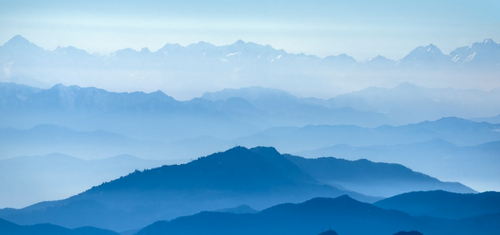
Traveling to the mountains can be an incredible experience. Cooler air, scenic hikes, ski days, alpine views, and a much-needed reset all make for an unforgettable getaway. But when you head to higher elevations, your body must adapt to a significant environmental change: there is less available oxygen in the air.
That doesn't mean you need to overcomplicate your travel routine. It simply means that hydration, pacing, sleep, and recovery habits become even more important.
What Happens at Higher Altitudes?
At higher elevations, air pressure decreases, which means your body takes in less oxygen with each breath. According to the CDC, travelers heading above 8,000 feet may be at risk for altitude illness, especially if they ascend too quickly. The CDC recommends climbing gradually whenever possible and avoiding rapid travel from low elevation to sleeping above 9,000 feet in a single day. (CDC)
Your body is remarkably adaptable, but it needs time. The CDC Yellow Book notes that acclimatization typically takes three to five days. Spending time at elevations between 8,000 and 9,000 feet before climbing higher can help your body adjust more comfortably. (Relief Central)
Why Hydration Matters in the Mountains
Hydration is important every day, but mountain environments can make it easier to become dehydrated. Dry air, increased breathing rate, outdoor activities, travel days, and alcohol can all increase your fluid needs.
While staying hydrated will not prevent or treat altitude illness, it is an important part of supporting your body's normal functions and helping you feel your best while traveling.
Where INHALE Fits In
INHALE is a superoxygenated water with elevated dissolved oxygen levels for people who want more from their hydration routine. It contains no caffeine, sugar, artificial sweeteners, or stimulants, making it an easy addition to your day without adding ingredients you may be trying to avoid.
If you're traveling to higher elevations, consider incorporating INHALE into your hydration routine:
-
Pack it for travel days when it's easy to forget to drink enough water.
-
Enjoy it chilled before heading out for a hike, ski day, or sightseeing adventure.
-
Keep a can nearby after a day outdoors as part of your rehydration routine.
-
Reach for it when you want a refreshing, caffeine-free beverage.
-
Bring enough for the whole family to enjoy as part of a healthy hydration routine.
A Simple High-Altitude Hydration Routine
Before You Go
Begin increasing your water intake a day or two before your trip, especially if you'll be flying or driving long distances.
When You Arrive
Take it easy during your first day at altitude. Give your body time to adjust before participating in strenuous activities.
Throughout the Day
Keep water within reach and sip consistently instead of waiting until you feel thirsty.
Before Activities
Enjoy a chilled can of INHALE as part of your pre-adventure hydration routine.
After Activities
Rehydrate, refuel, and get plenty of rest. INHALE can be part of your post-activity hydration plan, but it should complement, not replace, nutritious food, adequate fluids, rest, and medical care when appropriate.

Practical Tips for High-Altitude Travel
-
Ascend gradually whenever possible.
-
Avoid overexertion during your first day.
-
Limit alcohol, especially early in your trip.
-
Prioritize a good night's sleep.
-
Pay attention to symptoms such as headache, dizziness, nausea, unusual fatigue, or shortness of breath.
-
Seek medical care if symptoms become severe, worsen, or do not improve.
The Wilderness Medical Society has published evidence-based recommendations for the prevention and treatment of altitude illness. If you have underlying medical conditions or concerns about traveling at elevation, consult your healthcare provider before your trip. (International Mountain Guides)
Final Thoughts
A successful trip to the mountains starts with good preparation. Staying hydrated, pacing yourself, and listening to your body can help you enjoy everything your destination has to offer.
While INHALE is not a treatment for altitude sickness, it can be a clean, caffeine-free, superoxygenated hydration option to include in your travel routine for mountain vacations, ski weekends, hiking trips, and family adventures.
Pack smart. Stay hydrated. Give your body time to adjust. Then get out and enjoy the view.
Shop INHALE Superoxygenated Water here ahead of your high altitude travel.
Disclaimer: INHALE is not intended to diagnose, treat, cure, or prevent altitude sickness or any disease. Individual results may vary. Always follow local health guidance and consult a healthcare professional if you have concerns about traveling to high-altitude destinations.